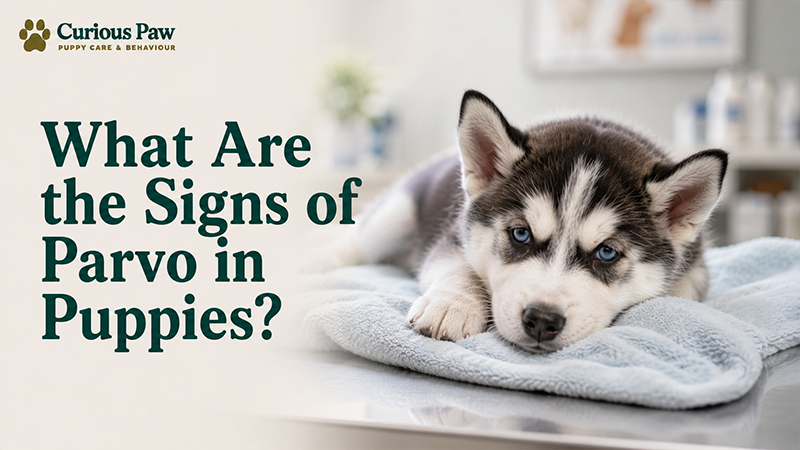
Parvovirus moves fast. A puppy that seems mildly off in the morning can be critically ill by evening. Mortality rates for untreated parvo in puppies reach between 68 and 92 percent, according to veterinary literature — but with prompt, aggressive supportive care, most puppies survive. That gap, between near-certain death and a good chance of survival, is entirely determined by how quickly treatment begins. Knowing what to look for before the obvious symptoms appear is the most important thing any owner can do.
Who Is at Risk
Puppies between 6 and 20 weeks old are the highest-risk group, particularly those that haven’t completed their full vaccination series. According to the AVMA, unvaccinated or incompletely vaccinated dogs are susceptible regardless of age, but puppies are most vulnerable because their immune systems are still developing and maternal antibody protection from the mother’s milk fades during the exact window when vaccines are being administered. Certain breeds — Rottweilers, Doberman Pinschers, American Pit Bull Terriers, English Springer Spaniels, and German Shepherds — appear to be at higher risk than others for reasons that aren’t fully understood.
Parvovirus spreads through contact with infected feces, directly or indirectly. The virus can survive in soil for over a year. It can be carried on shoes, clothing, and hands without any visible contamination. This is why unvaccinated or incompletely vaccinated puppies should not be in any environment where unknown dogs have been — dog parks, pet store floors, vet waiting rooms — until the full vaccine series is complete.
The Early Signs — Before It Looks Serious
The first signs of parvo are easy to dismiss, and that’s the dangerous part. A puppy that is noticeably lethargic — less interested in play, less responsive than usual, wanting to lie still when they normally wouldn’t — should be watched carefully. Loss of appetite in a puppy that normally eats enthusiastically is another early signal. A mild fever may be present, though not always. These symptoms can look exactly like a puppy that’s simply tired or mildly off, and many owners wait to see if it passes. In parvo, waiting is the thing that determines outcome.


The pre-storm quiet is the window that matters most. A puppy that seems “just off” — not dramatically ill, but not quite right — in the first 24 to 48 hours of infection is presenting the most treatable version of the disease. What comes after is significantly harder to manage.
The Signs That Confirm the Emergency
Severe vomiting that doesn’t stop. Diarrhea that is profuse, often bloody, and carries a distinctive foul odor that owners who’ve encountered it describe as unlike anything a normal digestive upset produces. According to VCA Animal Hospitals, the clinical signs of parvovirus include severe vomiting and diarrhea — often bloody — alongside profound depression and refusal to eat or drink. The combination of these symptoms in an unvaccinated or incompletely vaccinated puppy is parvo until proven otherwise.
Dehydration develops rapidly when a puppy is losing fluid through both ends simultaneously. The physical signs of dehydration: gums that are dry, tacky, or pale rather than moist and pink. Skin that stays tented when gently pinched rather than snapping back immediately. Sunken eyes. Weakness that progresses from reluctance to move to genuine inability to stand. Any of these signs alongside vomiting and diarrhea in a young puppy is an emergency.
A puppy with suspected parvo needs to see a vet immediately, not at the next convenient appointment slot. If your regular vet isn’t open, go to an emergency animal hospital. Do not wait to see if the symptoms improve on their own. There is no antiviral medication that kills parvovirus — treatment is supportive care (IV fluids, anti-nausea medication, antibiotics for secondary infection) that keeps the puppy alive while their immune system fights the virus. That support needs to start as early as possible.
Why Parvo Is So Dangerous
Canine parvovirus attacks rapidly dividing cells — primarily the intestinal lining and, in puppies, sometimes the bone marrow. The intestinal lining destruction causes the vomiting, diarrhea, and inability to absorb nutrients and fluids. The bone marrow involvement suppresses the immune response, leaving the puppy progressively less able to fight the infection. Secondary bacterial infections exploit the compromised intestinal barrier and the weakened immune system simultaneously. The disease is self-reinforcing in the worst possible direction.
In puppies under 8 weeks old, parvovirus can affect the heart muscle — causing a form of the disease called myocarditis — rather than or in addition to the gastrointestinal form. This is less common than the GI presentation but is worth knowing.
Prevention: The Only Reliable Answer
The parvovirus vaccine is highly effective and is a core component of the standard puppy vaccine series. According to VCA Animal Hospitals, the recommended schedule is doses at 8, 12, and 16 weeks of age, with additional boosters in high-risk situations. Protection is not complete until two weeks after the final dose — typically around 18 weeks. Until that point, any environment where unknown dogs have been is a risk.
Parvovirus can survive on surfaces for over a year at room temperature. Standard household cleaning products don’t reliably inactivate it. A diluted bleach solution — 1 part bleach to 30 parts water — is effective on surfaces that can tolerate it. This is relevant for households that have had a diagnosed parvo case and need to clean before another dog is present.
Frequently Asked Questions
How quickly does parvo kill a puppy without treatment?
The timeline varies but can be very fast — within 48 to 72 hours of severe symptoms appearing in some cases. Mortality without treatment is cited at 68 to 92 percent in veterinary literature. The combination of dehydration from fluid loss, immune system collapse, and secondary bacterial infection can overwhelm a puppy’s system quickly. This is why any suspected parvo case is treated as an emergency requiring same-day veterinary attention, not a wait-and-see situation.
Can a vaccinated puppy still get parvo?
A fully vaccinated puppy is well-protected but not 100 percent guaranteed against parvo — no vaccine is. The risk is significantly higher during the vaccination series, when maternal antibodies from the mother can interfere with vaccine effectiveness in ways that vary by puppy. This is why multiple doses are given across several weeks rather than a single shot. A puppy that has completed the full series and received a booster two weeks ago has much stronger protection than one that received only the first dose.
What should I do if I think my puppy has parvo?
Call your vet or an emergency animal hospital immediately and tell them you suspect parvo. They will likely ask you to bring the puppy in through a separate entrance to avoid exposing other patients, as the virus is highly contagious. Diagnosis is confirmed with a fecal antigen test that can be done in-clinic in minutes. If parvo is confirmed, treatment begins immediately. Do not wait to see if symptoms improve — every hour matters in this disease.
Parvo is one of the most frightening things a new owner can face. It’s also one of the most preventable, with a vaccine that has been protecting puppies reliably for decades. Completing the full series on schedule, keeping unvaccinated puppies out of high-risk environments, and acting immediately at the first sign of illness in a young dog are the three things that matter most.